
We build collaborations, projects, and knowledge in support of new forms of sustainable coexistence.
We operate a lively hub where scholars, students, artists, activists and citizens come together to share practically engaged ideas for creating a better world.Through creative research, performance, and discussions we aim to cultivate new relationships of shared responsibility and care—across communities and for the places we inhabit.
We build collaborations, projects, and knowledge in support of new forms of sustainable coexistence.
We operate a lively hub where scholars, students, artists, activists and citizens come together to share practically engaged ideas for creating a better world.Through creative research, performance, and discussions we aim to cultivate new relationships of shared responsibility and care—across communities and for the places we inhabit.

The Institute of Postcolonial Studies was founded in 1996 by Phillip Darby and Michael Dutton as an independent venue for the exploration of postcolonial scholarship, politics and creative practice.
Occupying its own premises in North Melbourne, the Institute was established with generous support of a private benefactor as well as strong local and international networks of friends and scholars. The Institute is home to the internationally renowned scholarly journal,Postcolonial Studiesand a book seriesWriting Past Colonialism(with Routledge). The Institute is governed by a dedicated Board of Directors. It has deductible gift recipient status.

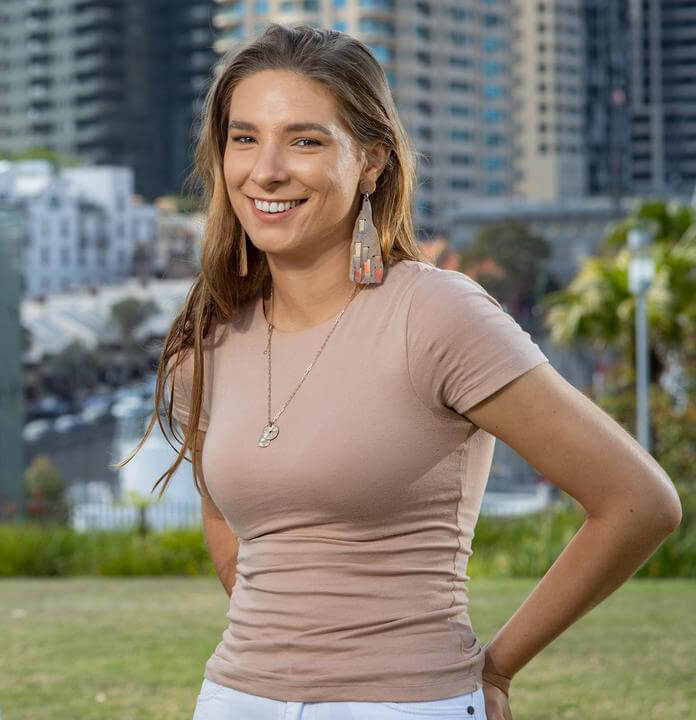
Dr Evelyn Araluen is a Goorie and Koori poet, editor and researcher. She is the co-editor of Overland Literary Journal, lecturer in Literature and Writing at Deakin University, acting chairperson of the Institute of Postcolonial Studies Board of Directors, and co-convening editor of the Journal of Postcolonial Studies.
Her research is focused on histories, cultures and methods of Aboriginal storytelling and literary practice. Her poetry debut DROPBEAR was published by the University of Queensland Press in 2021, and won the Stella Prize in 2022.

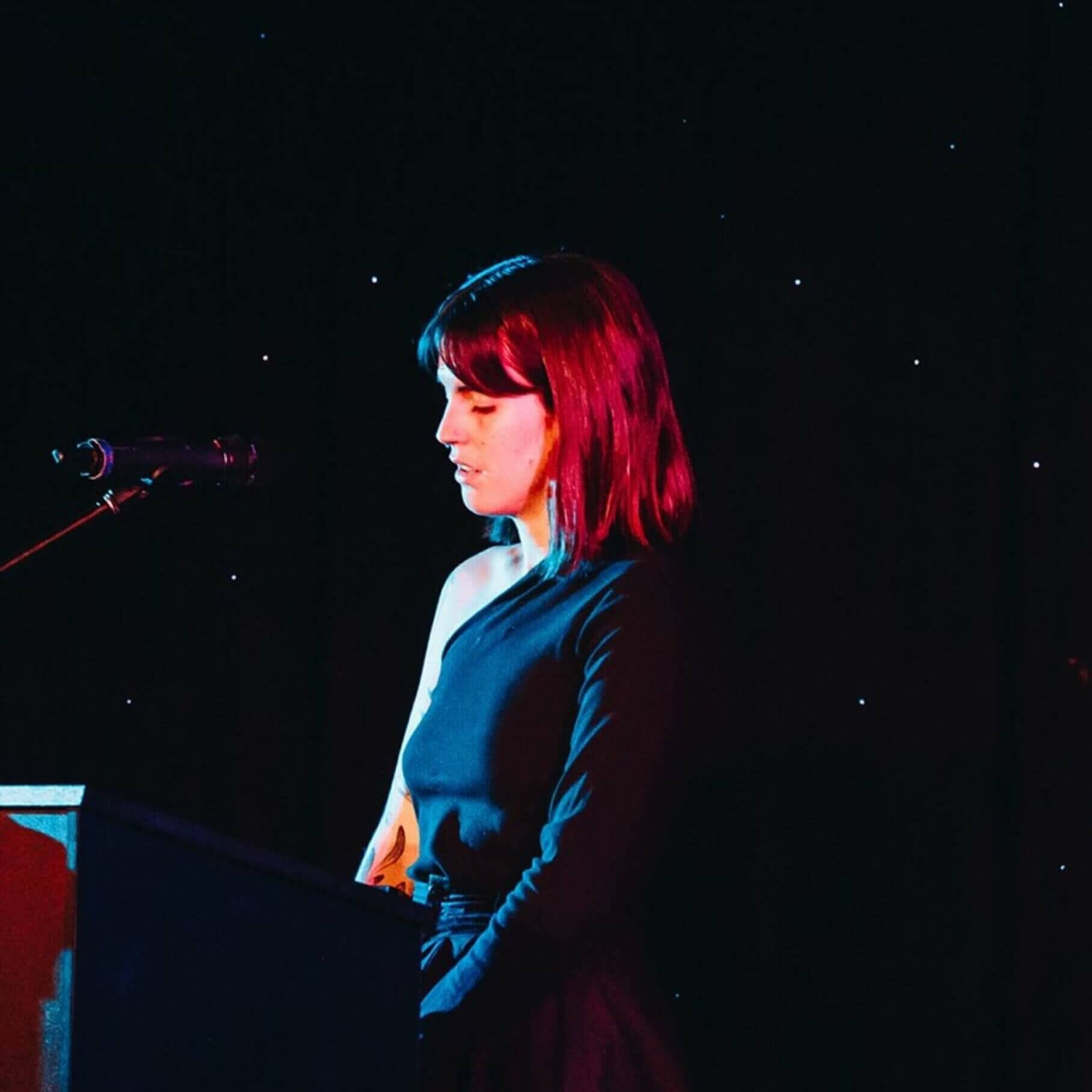
Natalie (She/Her) is a Dharug researcher, educator and campaigner. Natalie is completing her PhD at the University of Melbourne, and is the acting treasurer at the Institute of Postcolonial Studies.
Natalie’s research examines the ways in which universities function as a site of colonial violence, with a particular focus on the discipline of criminology. Natalie has worked on campaigns such as #BanSpitHoods and UniMelb for Palestine.
Natalie co-convenes The Abolitionist Study Group.

Dr. Koleilat is an Academic Fellow at the Australian National University. She is an ethnographer and an historian who spent many years in South Korea. Lina completed her PhD in the College of Asia and the Pacific at ANU. She was the recipient of the 2014 Prime Minister’s Australia Asia Endeavour Award, she has a Master’s degree in Korean Studies from Yonsei University in Seoul, and a Master’s degree in International Relations from the National University of Singapore. Her teaching and research interests are religion, race, culture, social movements and refugee studies.
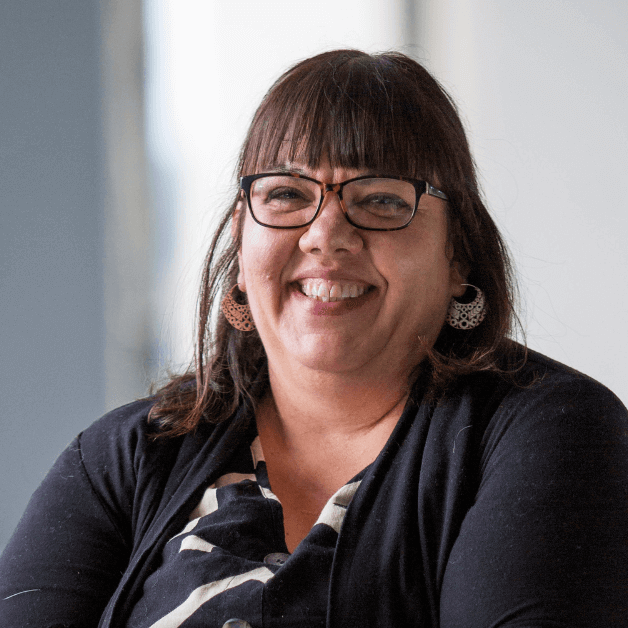
Dr Crystal McKinnon is an Amangu Yamatji academic, researcher and community organiser. She is a historian and a critical Indigenous studies scholar, currently working at the University of Melbourne as an Associate Professor in History, Law and Justice. Her research work has looked at concepts of Indigenous sovereignty, justice and law, and Indigenous social movements, resistance and protest. Crystal is the co-editor of Aboriginal History journal, and of History, Power and Text: Cultural Studies and Indigenous Studies (UTS ePress, 2014), and her work has been published in many books and journals, the most recent including Routledge Handbook of Critical Indigenous Studies (2020), Cambridge Legal History of Australia (2021), Biography, and Australian Feminist Law Journal. In 2024 she was appointed co-convening editor of the Journal of Postcolonial Studies.
She has extensive governance experience having previously served for a number of years on the Boards of both Flat Out and of the Victorian Aboriginal Community Services Associated Limited, and she is currently a director on the Board of the Victorian Aboriginal Legal Service and she sits on the steering committee for the Law and Advocacy Centre for Women. Crystal has previously worked in both the Aboriginal community organisation and the community legal centre sectors.
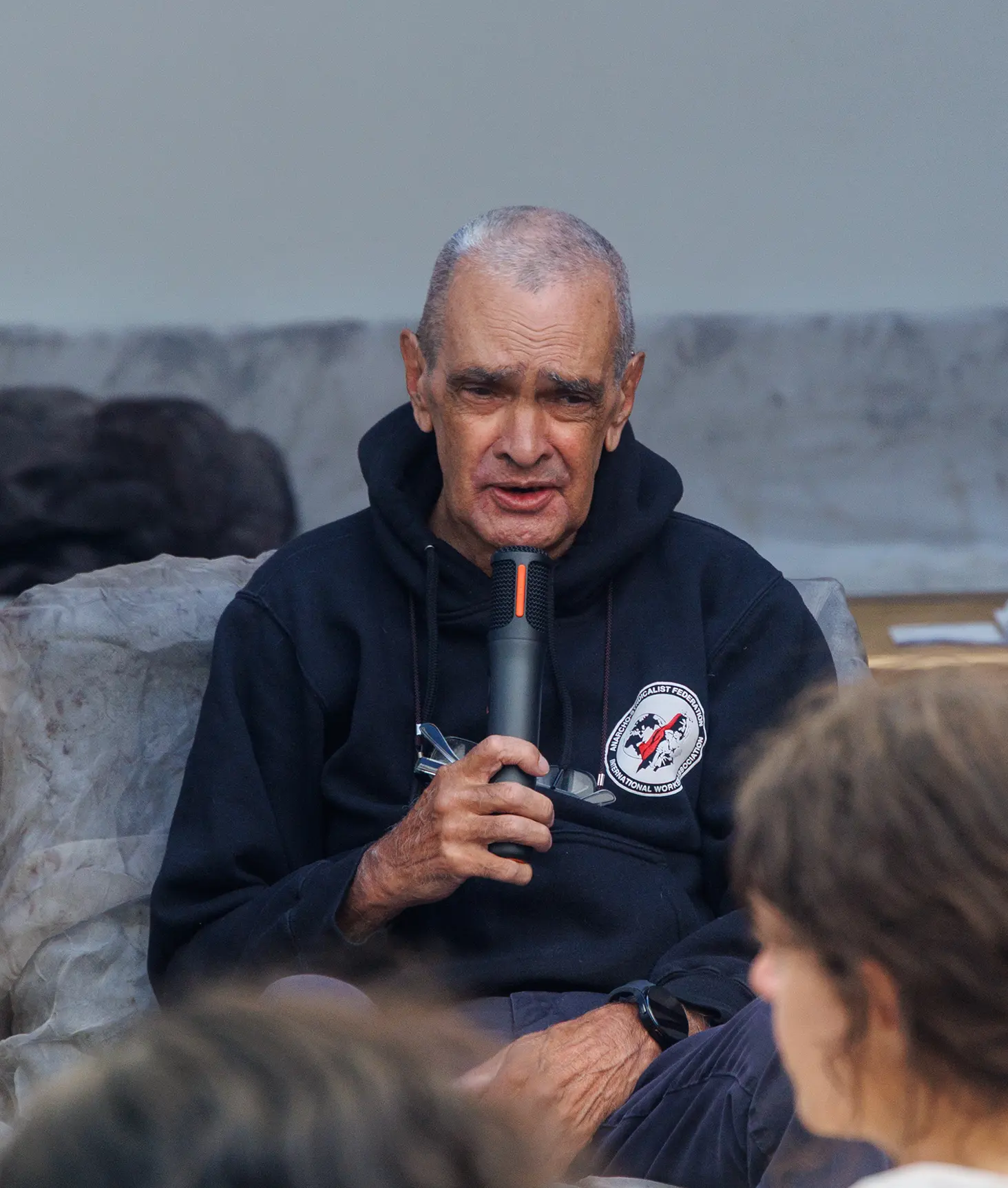
Gary Foley is teacher and Supervisor at Victoria University as well as the Director of the Aboriginal History Archive. A Gumbainggir man, Gary Foley was born in Grafton, northern NSW. After being expelled from school aged 15, Foley moved to Sydney as an apprentice draughtsperson. Since then, he has been at the centre of major political activities including the Springbok tour demonstrations (1971), Aboriginal Tent Embassy in Canberra (1972) and Commonwealth Games protests (1982) among many others.
Foley was involved in the establishment of the first Aboriginal self-help and survival organisations including: Redfern’s Aboriginal Legal Service, the Victorian Aboriginal Health Service, and the National Black Theatre. In 1974 he was part of an Aboriginal delegation that toured China and in 1978 he took films on Black Australia to the Cannes Film festival.
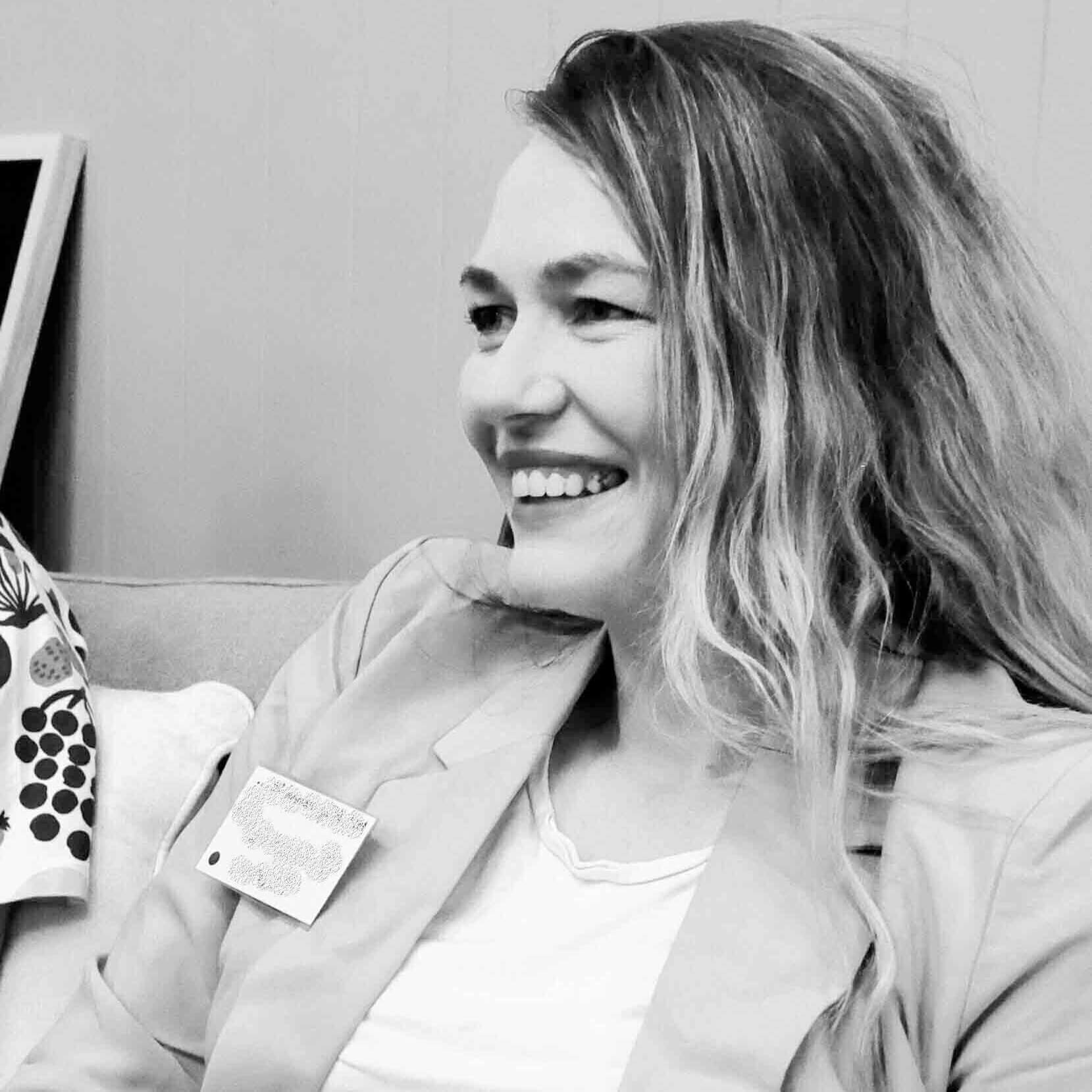
Elizabeth Strakosch is a senior lecturer in public policy and politics at the School of Social and Political Sciences at the University of Melbourne, and is currently an Australian Research Council Early Career Research Fellow. From 2013 to 2022 she worked as a senior lecturer in policy at the University of Queensland. She is a codirector of the Indigenous led Institute for Collaborative Race Research, which aims to mobilise academic research for antiracist struggle, and is involved in Jewish anti-Zionist organisations.
She is author of Neoliberal Indigenous Policy: Settler Colonialism and the ‘Post-Welfare’ State, and co-editor of Bureaucratic Occupation: Government and First Nations Peoples. Elizabeth is a white settler scholar who aims to carry out politically located research that respects Indigenous sovereignty. Her work focuses on how processes and institutions of public policy relate to political relationships – especially in the context of colonialism, racism and structural violence.

Roxanne Moore is a Noongar person and human rights lawyer from Wooditjup (Margaret River) in Western Australia. They are the Executive Director of the First Nations & Youth Action teams at the Foundation for Young Australians. They were the Executive Officer for the National Peak body on Aboriginal and Torres Strait Islander Legal Services (NATSILS). Previously, Roxanne was an Indigenous Rights Campaigner with Amnesty International Australia and Principal Advisor to Change the Record Coalition.
Roxanne has worked for the Aboriginal and Torres Strait Islander Social Justice Commissioner at the Australian Human Rights Commission, as Principal Associate to the Hon Chief Justice Wayne Martin AC QC; as a commercial litigator; and has international experience with UNHCR Jordan and New York University’s Global Justice Clinic.
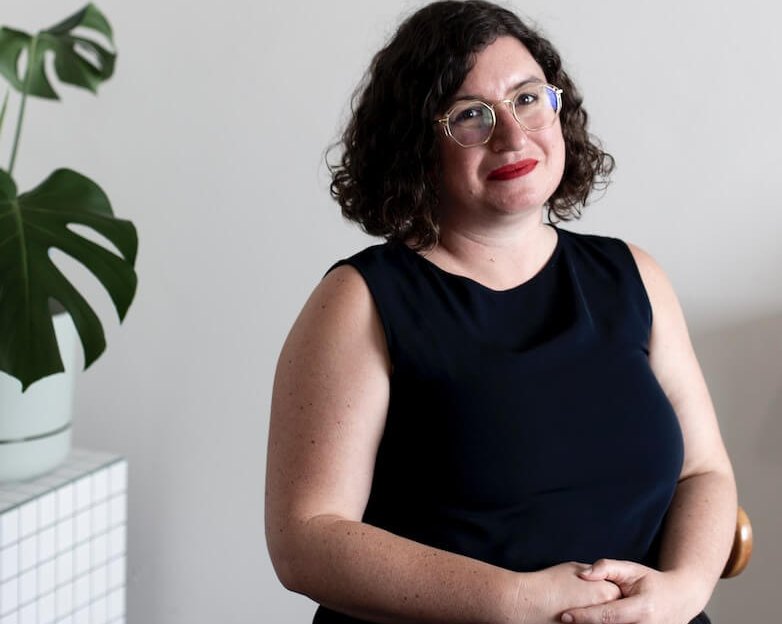
Jordana Silverstein is a Jewish woman, a cultural historian who researches histories of statelessness, child refugee policies, and Jewish history, focusing on questions of belonging, colonialism, nationalism, identity, historiography, emotions, sexuality and memory. She is currently an Australian Research Council Future Fellow based in the Melbourne Law School, University of Melbourne. She’s the author of Cruel Care: A History of Children at our Borders (2023), which was a co-winner of the Oral History Australia Book Prize, was shortlisted for the Non-Fiction prize in the Victorian Premier’s Literary Awards, and was highly commended for the Australian History prize in the NSW Premier’s History Awards.
She is also the author of Anxious Histories: Narrating the Holocaust in Jewish Communities at the Beginning of the Twenty-First Century (2015), co-editor of In the Shadows of Memory: The Holocaust and the Third Generation (2016) and Refugee Journeys: Histories of Resettlement, Representation and Resistance (2021), and the creator and host of the ‘Being Stateless’ podcast (2024).
Jordana has been a member of a number of community and activist organisations, and currently sits on the board of APAN (the Australia Palestine Advocacy Network) and is a founding member of the Loud Jew Collective.

Mary Bekele is a communications and admin worker living on unceded Wurundjeri land with experience in both the arts and community legal sectors. As a past member of Still Nomads, an African arts collective turned creative research platform, Mary co-facilitated zine making workshops at Blak Dot Gallery with This Mob and Black Quantum Futurism and across community spaces. She was invited to participate in the annual Melbourne Art Book Fair as part of the collective and, independently, co-created a print arts publication through the SIGNAL Young Creatives Lab. Mary is passionate about black cultural production and modes of education and knowledge production that eschew the modern academy’s relationship to the colonial order. They are currently completing a Juris Doctor degree and can otherwise be found trying to perfect a flaky vegan pie crust or probably at the movies.